What Is a Flood Zone? The Complete Guide for Property Professionals and Homeowners
If you've ever been involved in buying, selling, or financing real estate, you've likely encountered the term "flood zone." But what exactly is a flood zone, how does FEMA determine them, and why should you care?
Whether you're a mortgage lender ensuring regulatory compliance, a title company facilitating closings, a real estate agent advising clients, or a homeowner trying to understand your risk, this guide covers everything you need to know about FEMA flood zones.
What Is a Flood Zone?
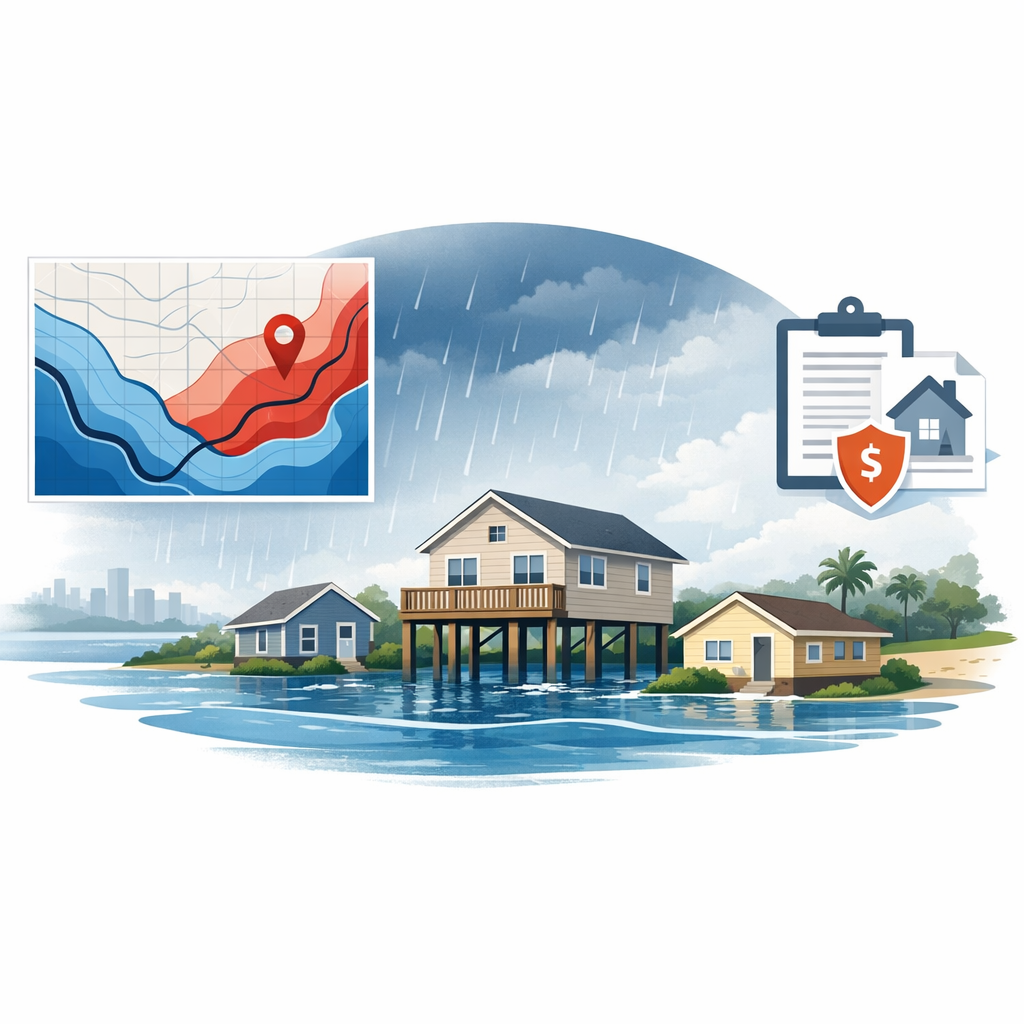
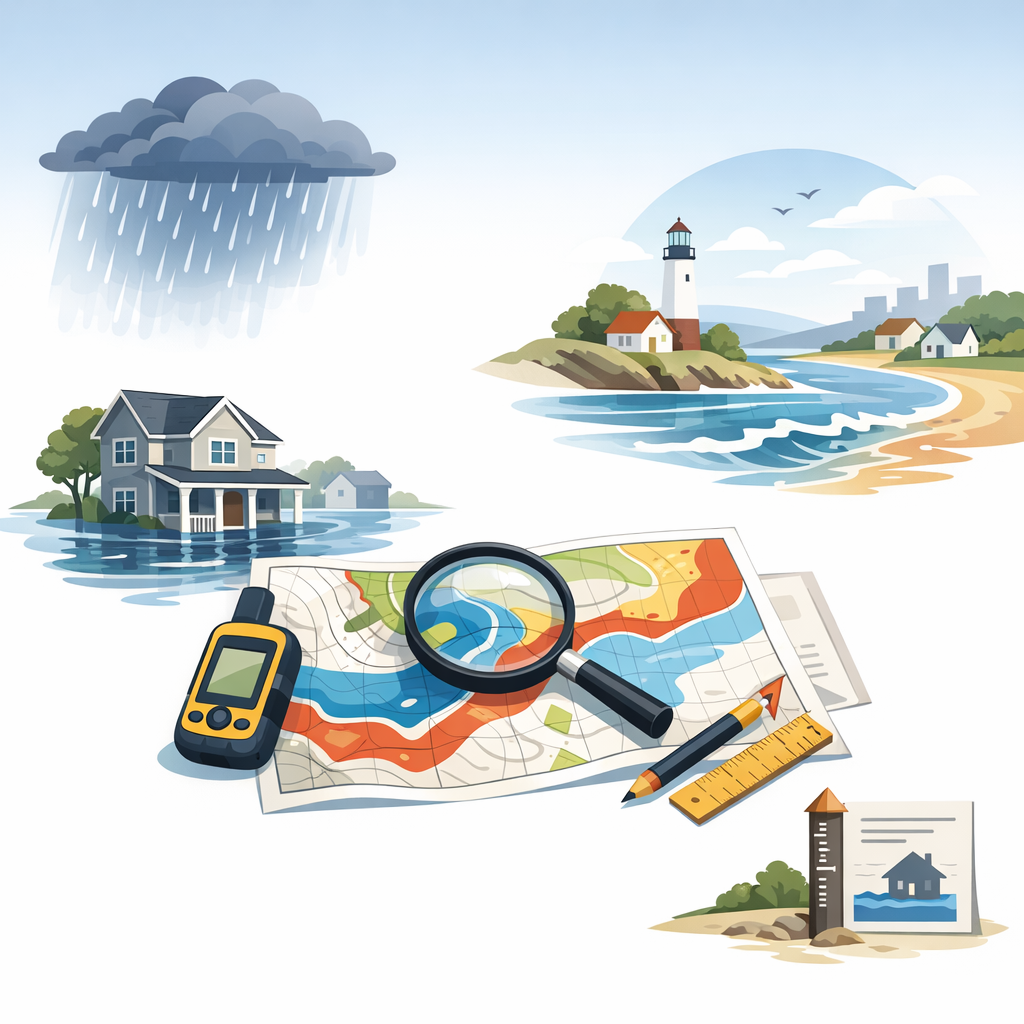
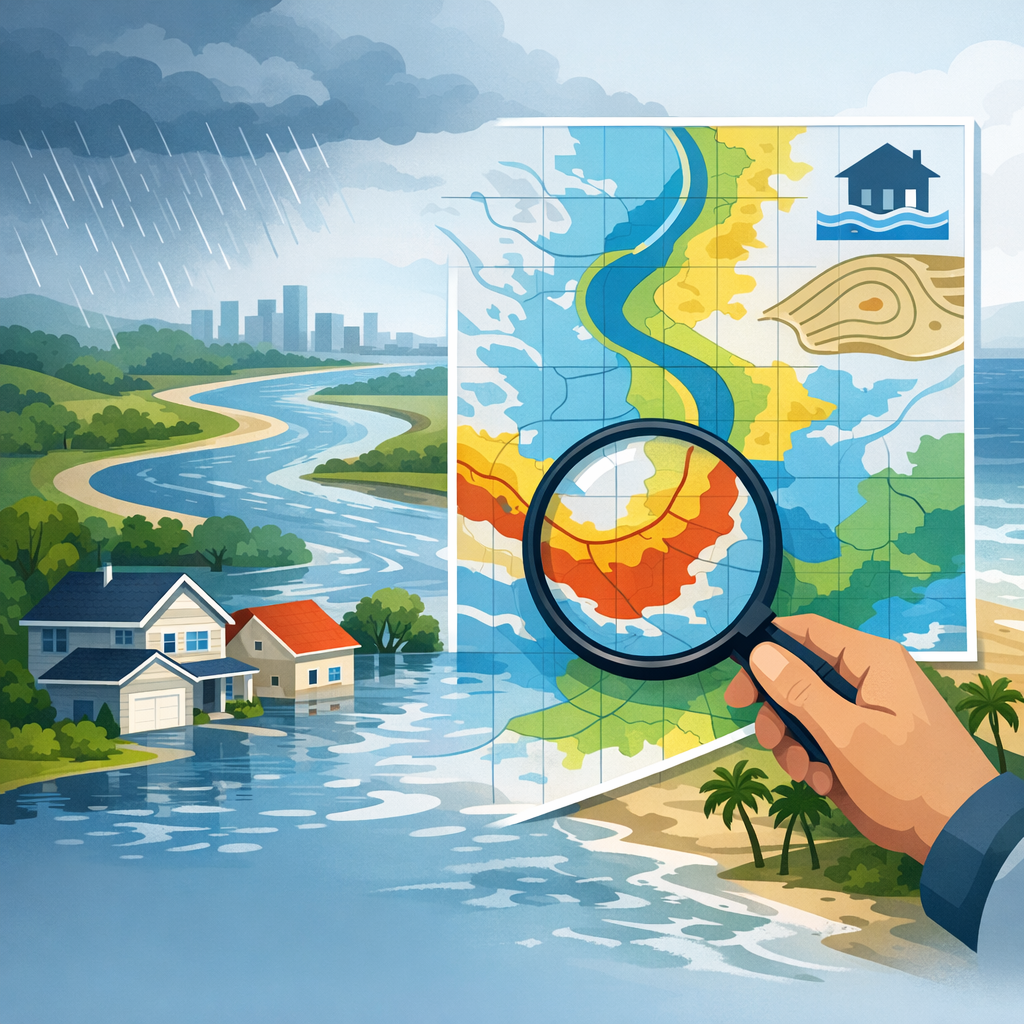
A flood zone is a geographic area that FEMA (the Federal Emergency Management Agency) has classified according to its level of flood risk. These designations appear on Flood Insurance Rate Maps (FIRMs), which are the official maps used to determine flood hazard areas across the United States.
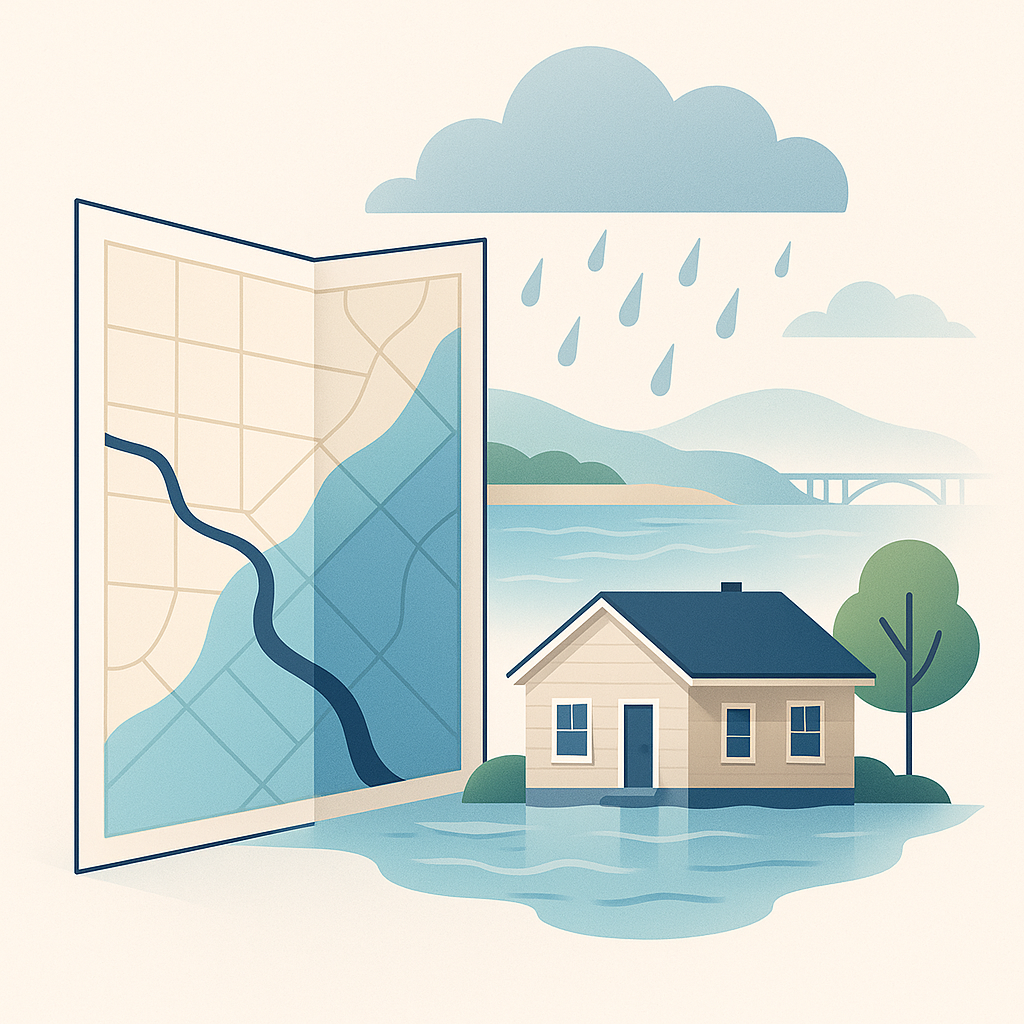
Each flood zone is assigned a letter designation — such as A, AE, V, X, or D — that indicates the type and severity of flooding expected in that area. These designations directly impact:
- Whether flood insurance is required for a federally backed mortgage
- How much flood insurance costs for property owners
- Building code requirements for new construction and substantial improvements
- Property values and marketability
- Lending decisions and regulatory compliance
Think of flood zones as a risk classification system. Just as a credit score helps a lender assess borrower risk, a flood zone designation helps everyone involved in a real estate transaction understand the flood risk associated with a specific property.
How Does FEMA Determine Flood Zones?
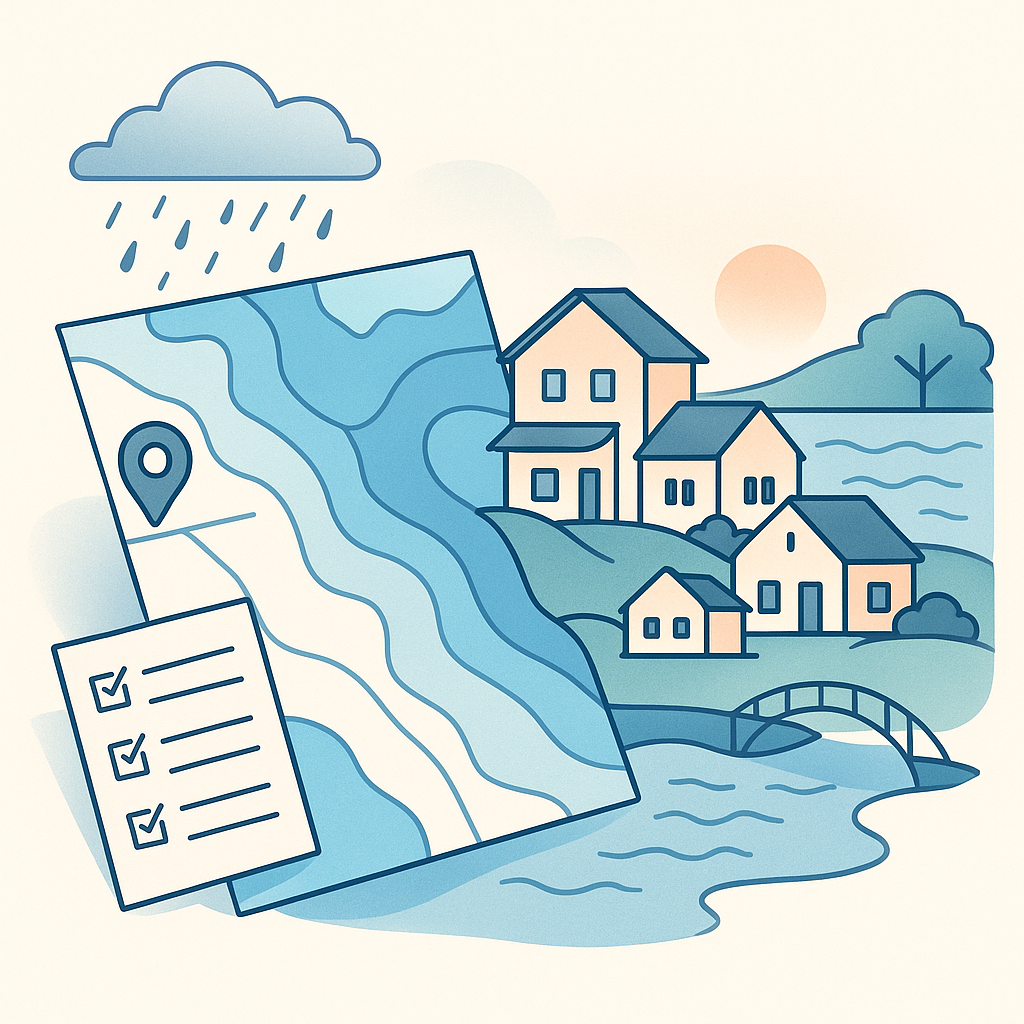
FEMA creates and maintains Flood Insurance Rate Maps through a complex process called a Flood Insurance Study (FIS). Here's how it works:
1. Hydrologic Analysis
Engineers study how water moves through a watershed — how much rain falls, how quickly it runs off, and where it accumulates. They model the volume and timing of water flow from upstream sources to downstream areas.
2. Hydraulic Analysis
Using the hydrologic data, engineers model how water behaves in specific channels, floodplains, and coastal areas. They calculate water surface elevations, flow velocities, and the extent of flooding for different storm scenarios.
3. The 1% Annual Chance Flood (100-Year Flood)
The cornerstone of FEMA's mapping system is the 1% annual chance flood, commonly called the "100-year flood." This is the flood level that has a 1% probability of being equaled or exceeded in any given year.
Despite the misleading name, a "100-year flood" doesn't happen once every 100 years. A property in the 1% annual chance flood zone has a 26% chance of flooding at least once during a 30-year mortgage — that's roughly a 1-in-4 chance.
4. Mapping and Designation
Based on the engineering analysis, FEMA delineates flood zone boundaries on FIRMs. These maps show:
- Special Flood Hazard Areas (SFHAs) — zones A and V, where there's a 1% or greater annual chance of flooding
- Moderate risk areas — Shaded Zone X (formerly Zone B), with a 0.2% annual chance
- Low risk areas — Unshaded Zone X (formerly Zone C)
- Undetermined risk areas — Zone D
The Major Flood Zone Categories
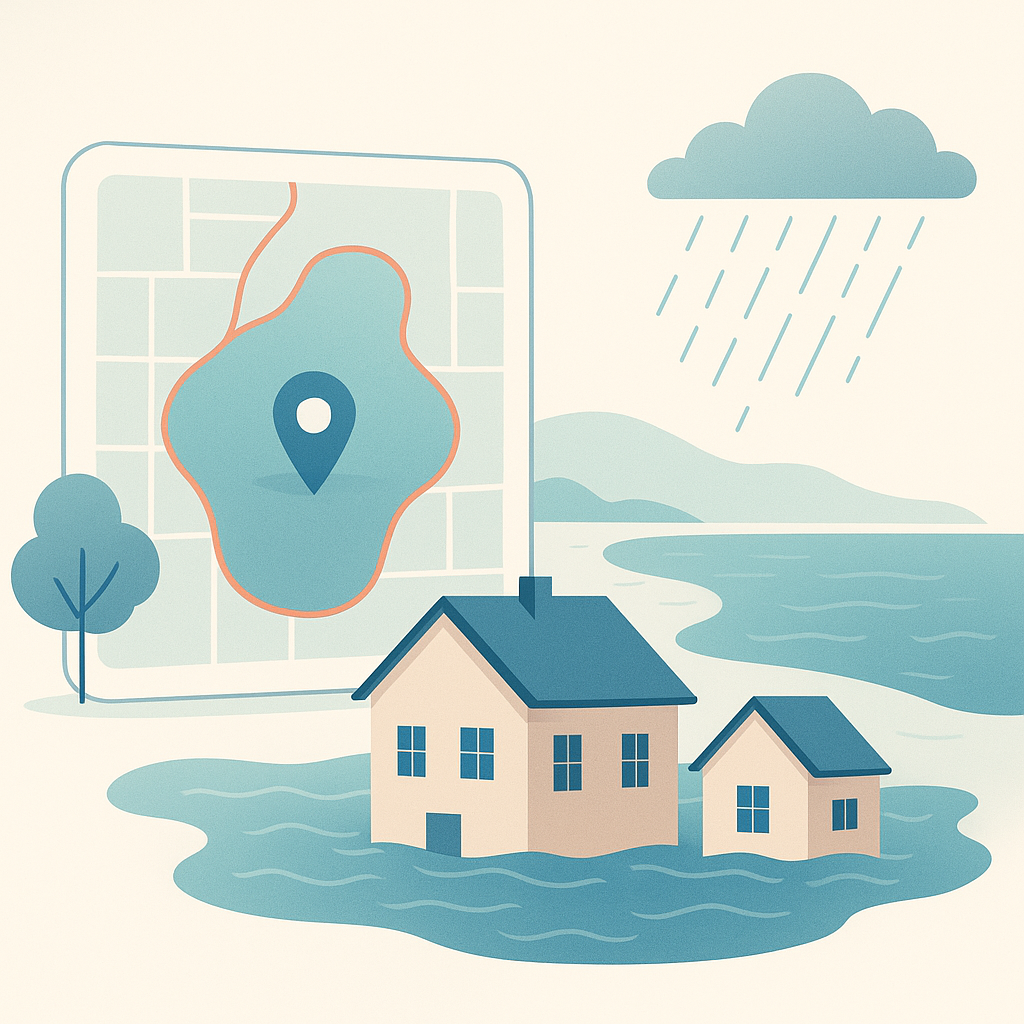
FEMA flood zones fall into several major categories. Here's a high-level overview:
High-Risk Zones (Special Flood Hazard Areas)
These are the zones where flood insurance is mandatory for federally backed mortgages:
- Zone A — High risk, no Base Flood Elevation (BFE) determined
- Zone AE — High risk, with BFE determined (the most common SFHA designation)
- Zone AH — Shallow flooding (ponding), 1-3 feet, with BFE
- Zone AO — Shallow flooding (sheet flow), 1-3 feet, with flood depths
- Zone V — Coastal high risk with wave action, no BFE
- Zone VE — Coastal high risk with wave action, BFE determined
Moderate-to-Low Risk Zones
- Zone X (shaded) — Moderate risk, 0.2% annual chance flood (formerly Zone B)
- Zone X (unshaded) — Minimal risk, outside the 0.2% annual chance floodplain (formerly Zone C)
Undetermined Risk
- Zone D — Possible but undetermined flood hazard; no analysis has been performed
For detailed information on each zone, see our individual flood zone reference pages.
Why Flood Zones Matter for Mortgage Lenders
If you're a mortgage lender, flood zone determinations are not optional — they're a federal regulatory requirement.
The Mandatory Purchase Requirement
Under the National Flood Insurance Act of 1968 and the Flood Disaster Protection Act of 1973, federally regulated lenders must:
- Determine whether a property securing a loan is in a Special Flood Hazard Area
- Require the borrower to purchase flood insurance if the property is in an SFHA
- Notify the borrower if the property is in an SFHA
- Ensure adequate flood insurance is maintained for the life of the loan
Failure to comply can result in significant penalties. Federal regulators — including the OCC, FDIC, Federal Reserve, and NCUA — conduct regular flood compliance examinations and can impose fines of up to $2,000 per violation per day.
The Standard Flood Hazard Determination Form
For every loan secured by improved real estate or a mobile home, lenders must complete a Standard Flood Hazard Determination Form (SFHDF). This form, also known as a flood certificate or flood determination, identifies:
- The property's flood zone designation
- The FEMA map panel and effective date
- Whether the property is in an SFHA
- Whether the community participates in the National Flood Insurance Program (NFIP)
- Whether federal flood insurance is available
This is where services like FloodCert.org come in — providing instant, automated flood determinations that satisfy regulatory requirements without slowing down your closing timeline.
Why Flood Zones Matter for Title Companies
Title companies play a critical role in the closing process, and flood zone status can directly impact their work:
- Closing timelines — Waiting 24-48 hours for a flood determination can hold up an otherwise ready-to-close file
- Accuracy — Incorrect flood determinations can lead to post-closing issues, insurance disputes, and potential liability
- Customer experience — Buyers and sellers want fast, smooth closings; delays frustrate everyone involved
- Disclosure requirements — Many states require flood zone information to be disclosed during the transaction
Why Flood Zones Matter for Real Estate Professionals
Real estate agents and brokers need to understand flood zones to effectively serve their clients:
For Buyers
- Properties in high-risk flood zones require flood insurance, which can add $700 to $3,000+ per year to ownership costs
- Flood zone status affects resale value and marketability
- Some buyers specifically avoid SFHA properties due to insurance costs and flood risk
For Sellers
- Properties that have been removed from an SFHA (via LOMA or LOMR) can command higher prices
- Disclosure of flood zone status is required in many states
- Flood history can affect buyer willingness and offers
For Investors
- Flood zone status directly impacts cash flow projections (insurance costs)
- Properties in SFHAs may have higher maintenance and repair costs
- Flood zone changes can create opportunities (or risks) for portfolio value
How to Find Out if a Property Is in a Flood Zone
There are several ways to determine a property's flood zone:
1. FEMA's Map Service Center
You can look up any address on FEMA's Map Service Center for free. However, this tool provides general information and is not a certified flood determination suitable for lending purposes.
2. Certified Flood Determination
For mortgage transactions, you need a certified flood determination from an authorized provider. This is the official document that satisfies federal regulatory requirements.
3. FloodCert.org — Instant Results
FloodCert.org provides certified flood determinations in seconds, not days. Our automated platform uses the latest FEMA data to deliver accurate, compliant flood certificates instantly through our web portal or API.
Common Misconceptions About Flood Zones
"My property has never flooded, so I'm safe."
Flood maps are based on statistical probability, not historical flooding. A property can be in a high-risk zone even if it has never experienced a flood. Conversely, over 25% of all flood insurance claims come from properties outside high-risk zones.
"The 100-year flood only happens once every 100 years."
The "100-year flood" is a probability statement, not a prediction. It means there's a 1% chance of that level of flooding in any given year. Over a 30-year mortgage, the odds are roughly 26%.
"If I'm in Zone X, I don't need flood insurance."
You may not be required to purchase flood insurance, but it's often a smart investment. FEMA data shows that properties in moderate- and low-risk zones account for more than 25% of flood insurance claims and receive approximately one-third of federal disaster assistance for flooding.
"Flood zones never change."
FEMA regularly updates its flood maps through map revisions and amendments. New development, changes in drainage patterns, improved engineering data, and climate factors can all cause flood zone boundaries to shift. A property that's in Zone X today might be in Zone AE after the next map update — and vice versa.
What to Do If You Disagree with a Flood Zone Designation
If you believe a property has been incorrectly mapped into a flood zone, there are formal FEMA processes to challenge the designation:
- Letter of Map Amendment (LOMA) — For properties that are naturally above the Base Flood Elevation due to natural terrain
- Letter of Map Revision (LOMR) — For areas where physical changes (fill, levees, channel modifications) have altered flood risk
Learn more in our guide: LOMA vs. LOMR: What's the Difference?
The Bottom Line
Flood zones are a fundamental part of real estate in the United States. They affect insurance requirements, property values, construction standards, and lending compliance. Understanding them isn't just good practice — for lenders and title companies, it's a regulatory obligation.
The key is getting accurate flood zone information quickly, so it informs decisions rather than delays them.
Get Instant Flood Zone Determinations with FloodCert.org
Stop waiting 24-48 hours for flood certificates. FloodCert.org delivers certified flood determinations in seconds — fully compliant, always accurate, and built for the speed of modern lending.
Whether you need a single lookup or thousands per month through our API, FloodCert.org has you covered.