Flood Zone X: Moderate-to-Low Risk Flood Zone Explained
Flood Zone X is the most common flood zone designation in the United States, covering the vast majority of land area. But "Zone X" actually encompasses two very different risk levels — and even properties in the lowest-risk category can and do flood.
Understanding the Two Types of Zone X
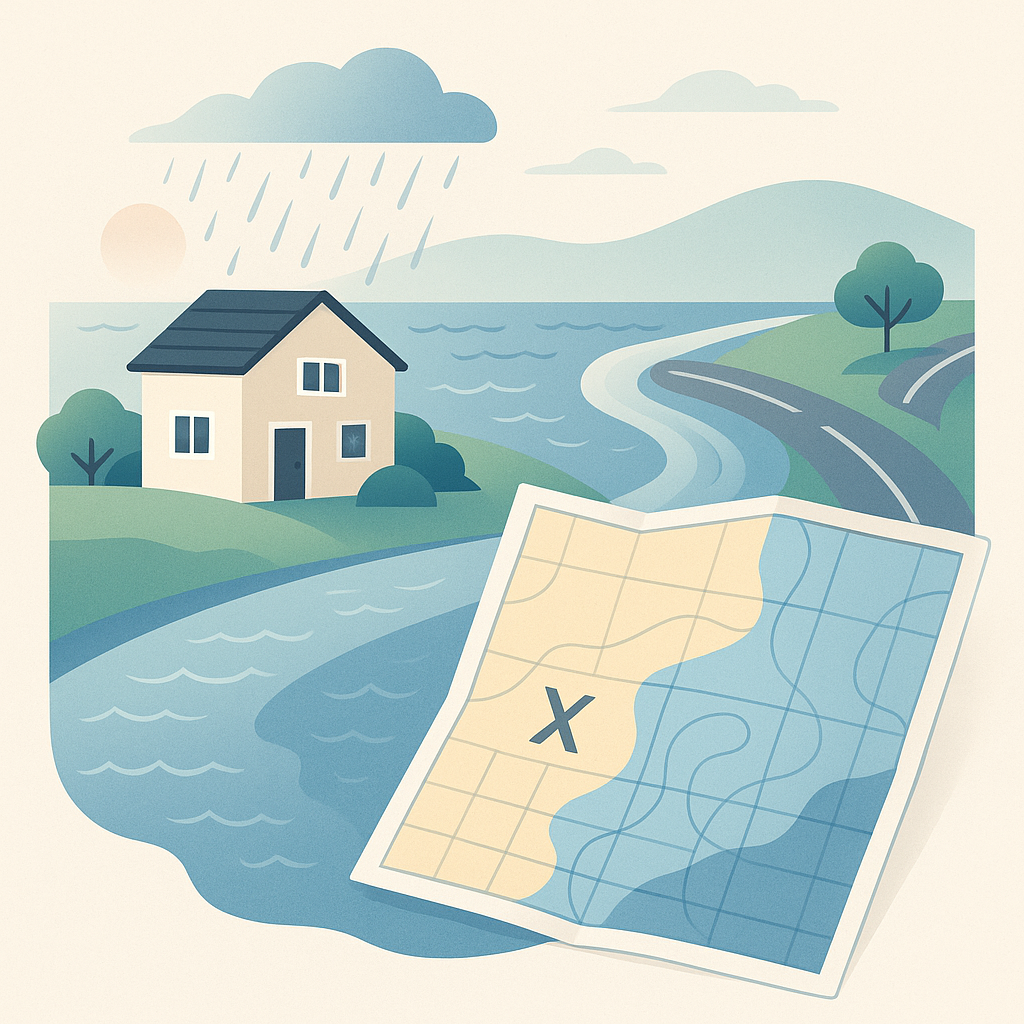
FEMA's Zone X designation includes two distinct categories:
Zone X (Shaded) — Moderate Risk
Previously designated as Zone B, Shaded Zone X identifies areas with a 0.2% to 1% annual chance of flooding — sometimes called the "500-year floodplain." These areas have a measurable flood risk that falls just outside the Special Flood Hazard Area boundary.
Key facts about Shaded Zone X:
- The area between the 1% annual chance flood boundary and the 0.2% annual chance flood boundary
- Not an SFHA — flood insurance is not required for federally backed mortgages
- Flood insurance is available and relatively affordable
- Also includes areas protected by levees from the 1% annual chance flood (these carry the "Zone X Protected by Levee" designation)
- Over a 30-year mortgage: 6-26% chance of flooding
Zone X (Unshaded) — Minimal Risk
Previously designated as Zone C, Unshaded Zone X represents areas with less than a 0.2% annual chance of flooding. These are considered the lowest-risk areas on FEMA's maps.
Key facts about Unshaded Zone X:
- Outside both the 1% and 0.2% annual chance floodplains
- Not an SFHA — no flood insurance requirement
- Flood insurance still available (and recommended)
- Over a 30-year mortgage: less than 6% chance of flooding (but not zero)
How to Tell the Difference on a FEMA Map
On Flood Insurance Rate Maps:
- Shaded Zone X: Shown with a light gray or stippled shading pattern
- Unshaded Zone X: No shading — appears as blank/white on the map
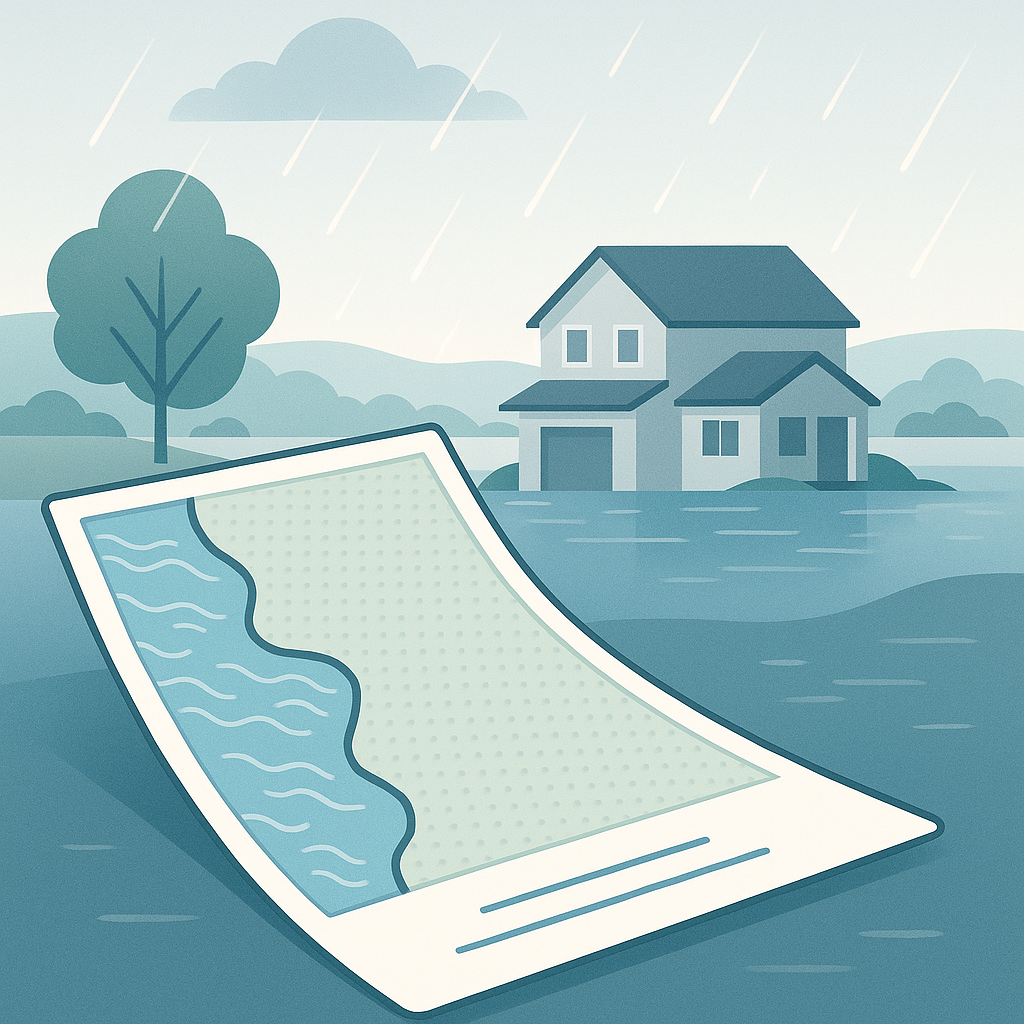
The distinction matters for insurance pricing and risk awareness, even though neither requires mandatory flood insurance.
Why Zone X Properties Still Flood
This is the most important point in this article: Zone X does not mean "no flood risk." It means the risk is lower than the SFHA threshold. The data is striking:
The Statistics
- Over 25% of all NFIP flood insurance claims come from Zone X properties
- Approximately one-third of federal disaster assistance for flooding goes to properties outside SFHAs
- Between 2015 and 2019, approximately 40% of NFIP claims were filed for properties outside high-risk zones
Why It Happens
-
Maps have limitations: FEMA maps are based on models using available data. They can't capture every localized flood risk — inadequate storm drains, clogged culverts, failed pumping stations, or unmapped drainage issues.
-
The 100-year flood is not the maximum flood: The 1% annual chance flood is the regulatory standard, not the worst-case scenario. Larger events happen.
-
Development changes drainage: New construction upstream or nearby can increase runoff, overwhelming drainage systems and flooding areas that were previously safe.
-
Climate is changing: Precipitation patterns are shifting, with more intense rainfall events occurring in many regions. Areas historically safe from flooding face increasing risk.
-
Infrastructure failures: Levee breaches, dam failures, and stormwater system overloads can flood Zone X areas catastrophically.
-
Maps may be outdated: Some FEMA maps are based on studies conducted decades ago. Conditions on the ground have changed.
Insurance in Zone X
Not Required, But Available
Zone X properties are not required to carry flood insurance for federally backed mortgages. However, flood insurance is available through both the NFIP and private insurers.
NFIP Preferred Risk Policy
The NFIP has historically offered a Preferred Risk Policy (PRP) for properties in moderate-to-low-risk zones. Under Risk Rating 2.0, the PRP has been replaced with property-specific rating, but Zone X properties generally still enjoy the lowest available premiums.
Typical Costs
| Zone X Type | Approximate Annual Premium |
|---|---|
| Shaded (moderate risk) | $300 – $800 |
| Unshaded (minimal risk) | $200 – $600 |
These are among the most affordable insurance policies available for the coverage they provide. For a few hundred dollars a year, property owners get protection against a risk that could cost tens of thousands of dollars.
The Value Proposition
Consider the math:
- Annual premium: ~$400
- Average flood claim: ~$52,000
- 10 years of premiums: $4,000
- Break-even: One flood in 130 years makes the insurance worthwhile
Given that Zone X properties account for 25%+ of flood claims, the odds are better than the Zone X designation might suggest.
Zone X and Mortgage Lending
No Mandatory Requirement
Lenders are not required to mandate flood insurance for Zone X properties. The flood determination will show SFHA = NO, and no further flood insurance action is required for compliance.
Lender Discretion
Some lenders may recommend or require flood insurance for Zone X properties based on their own risk assessment, even though it's not federally mandated. This is particularly common for:
- Properties in Shaded Zone X (near the SFHA boundary)
- Properties near known flood sources
- Properties with flood damage history
- High-value properties where the lender wants additional risk protection
Good Practice
Many lending professionals recommend that loan officers proactively discuss flood insurance with all borrowers, regardless of zone. This demonstrates diligence and helps borrowers make informed decisions.
Zone X Protected by Levee
A special subcategory within Shaded Zone X is the "Zone X Protected by Levee" designation. This applies to areas that would be in the SFHA (1% annual chance flood zone) but are protected by a levee system that meets FEMA's accreditation standards.
Important Considerations
- Levee protection is not guaranteed — levees can be overtopped or breached
- If the levee loses FEMA accreditation, the area can be reclassified as Zone AE (SFHA)
- FEMA's levee accreditation process has become more stringent, and some levees have lost accreditation
- Flood insurance is strongly recommended even behind accredited levees
Historical Lessons
Hurricane Katrina (2005) demonstrated the devastating consequences of levee failures. Entire neighborhoods believed to be protected by levees were catastrophically flooded when those levees were overtopped or breached. Many of these areas were mapped as Zone X.
What to Do If You're in Zone X
Shaded Zone X (Moderate Risk)
- Get flood insurance — It's affordable and the risk is real
- Know your elevation — Understanding your property's elevation relative to nearby flood sources helps you assess actual risk
- Monitor FEMA map changes — Your area could be reclassified to an SFHA in future map updates
- Prepare for flooding — Have an emergency plan, know your evacuation routes, and keep important documents in waterproof storage
Unshaded Zone X (Minimal Risk)
- Consider flood insurance — At $200-600/year, it's inexpensive peace of mind
- Understand your local drainage — Know where water goes during heavy rain events
- Maintain your property — Keep gutters, drains, and grading in good condition to manage stormwater
- Don't assume you're safe — The zone designation reflects statistical probability, not certainty
Zone X and Property Values
Zone X designation generally has a positive effect on property values compared to SFHA zones because:
- No mandatory insurance costs for buyers
- No special construction requirements
- Reduced perceived risk
- Greater buyer pool (some buyers specifically avoid SFHAs)
However, properties near the SFHA boundary in Shaded Zone X may still see some valuation impact, as savvy buyers recognize the moderate flood risk.
For Professionals
Lenders
Zone X = SFHA NO = no mandatory insurance. But consider recommending flood insurance to borrowers, especially in Shaded Zone X. It protects the borrower and, by extension, your collateral.
Title Companies
Zone X is the simplest flood determination outcome for your workflow. Use it as an opportunity to move closings forward quickly.
Real Estate Agents
Zone X is generally good news for your clients. But be honest about the residual risk, especially in Shaded Zone X areas. Recommending affordable flood insurance builds trust.
Verify Any Property's Zone Instantly
Whether it's Zone X, AE, or anything else, FloodCert.org gives you the answer in seconds. Certified, compliant, and instant — the way flood determinations should be.