Flood Zone V: Coastal High-Risk Flood Zone Explained
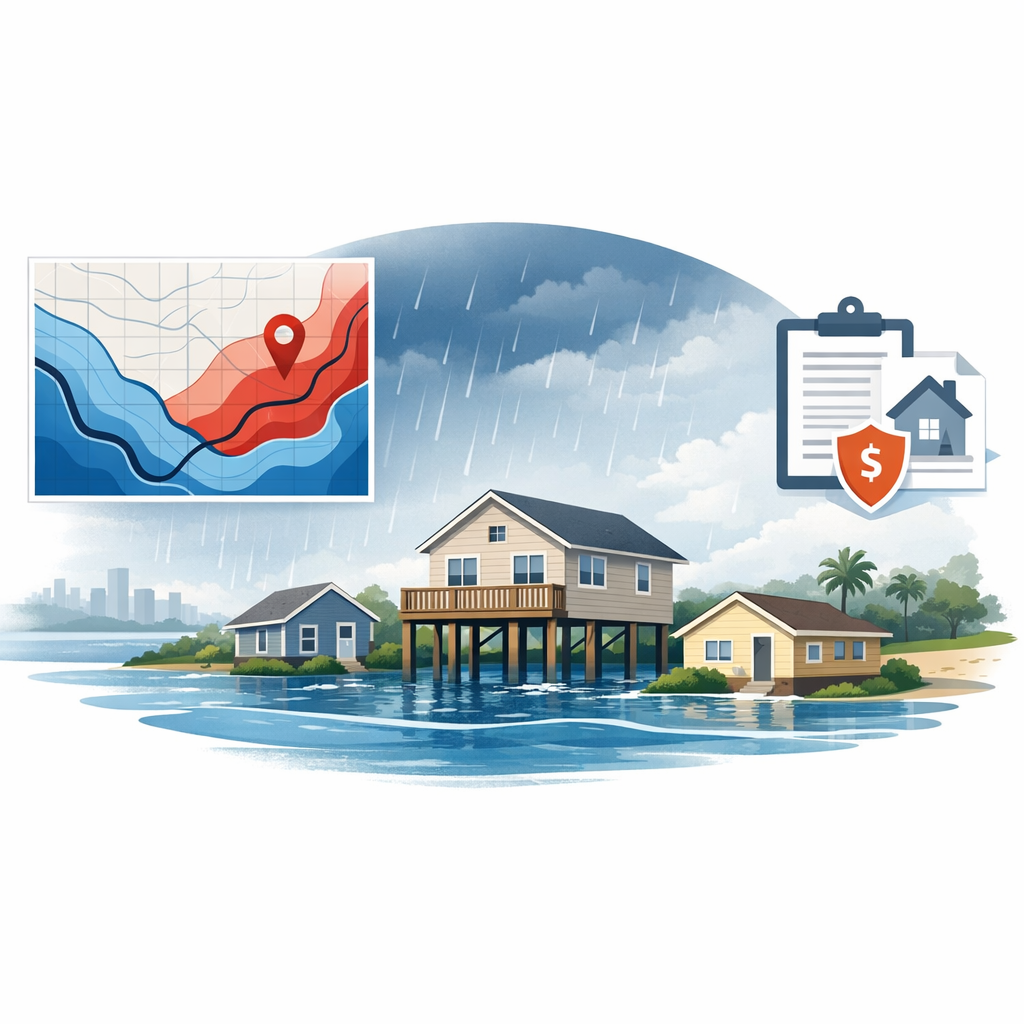
Flood Zone V is FEMA's designation for coastal high-hazard areas subject to inundation by the 1% annual chance flood with additional hazards from storm-induced wave action. Zone V represents some of the highest-risk flood areas in the country.
What Is Flood Zone V?
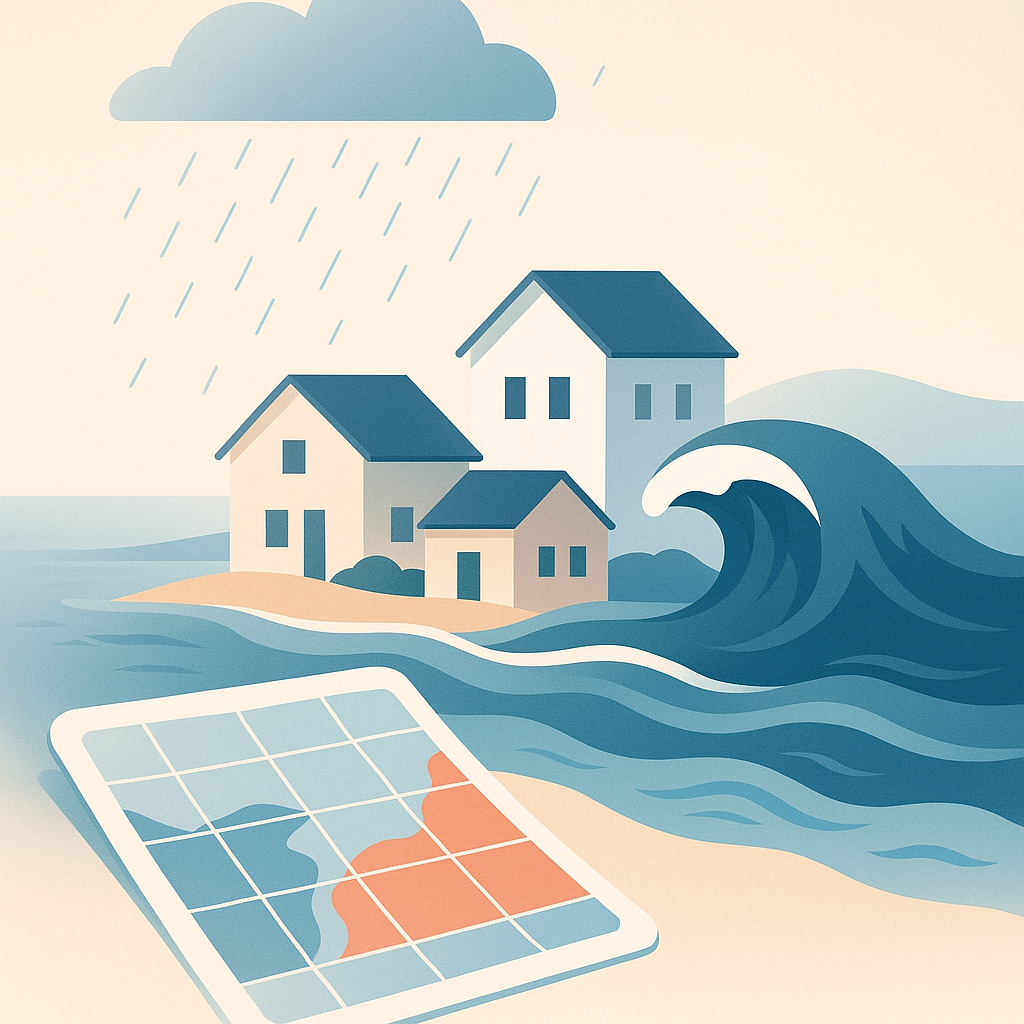
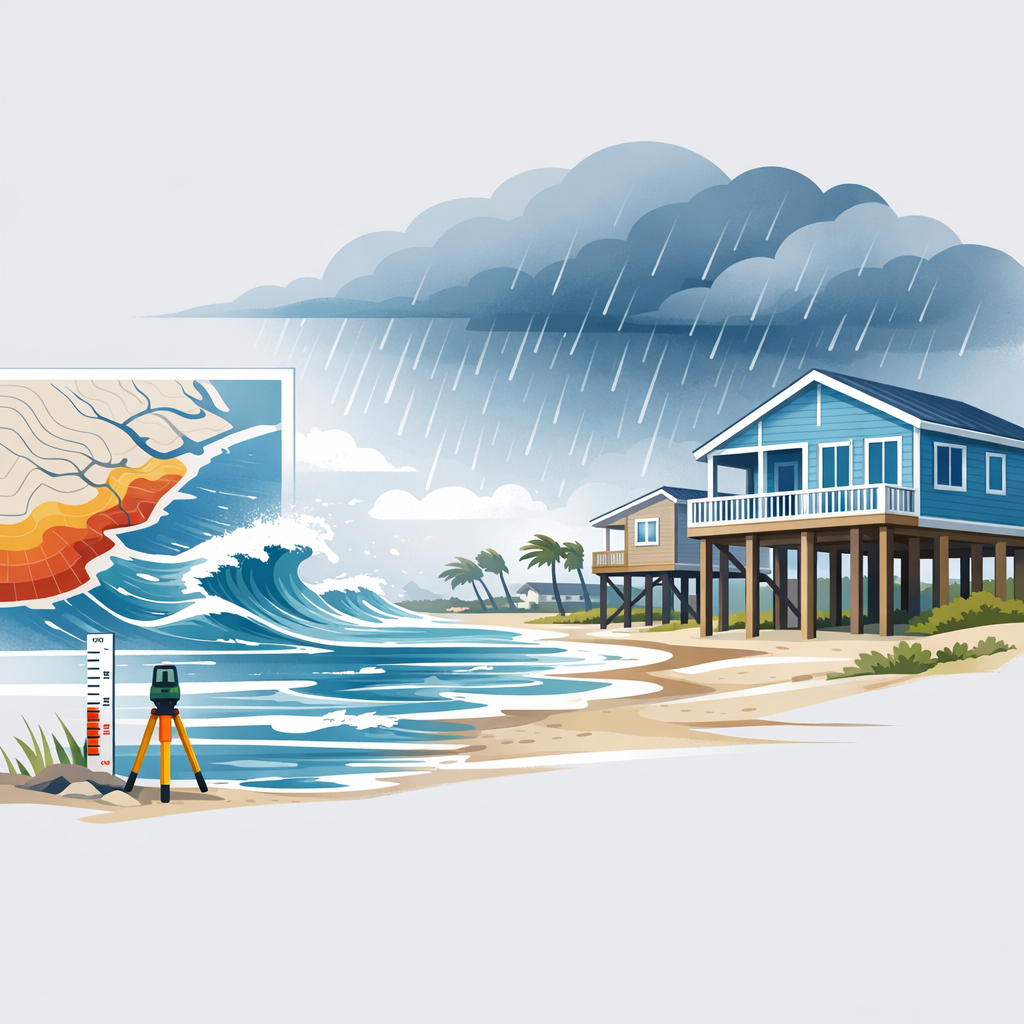
Zone V (Velocity zone) identifies coastal areas where wave action — waves of 3 feet or more on top of storm surge — is expected during the 1% annual chance storm event. The "V" stands for velocity, reflecting the destructive force of wave energy.
Key Characteristics
- Flood type: Coastal storm surge + wave action (3+ foot waves)
- BFE established: No (that's Zone VE)
- Risk level: Very high
- Insurance required: Yes, for federally backed mortgages
- SFHA designation: Yes
- Construction standards: The most stringent of any flood zone
Where Zone V Exists
Zone V is found along:
- Atlantic coastline — from Maine to Florida
- Gulf Coast — from Florida to Texas
- Pacific coastline — California, Oregon, Washington
- Great Lakes shorelines — areas subject to wave action
- Hawaiian and U.S. territory coastlines
Zone V is being phased out on newer maps in favor of the more detailed Zone VE (which includes BFEs). You'll still see Zone V on older maps and in areas that haven't been updated with detailed coastal studies.
Zone V vs. Zone VE
| Feature | Zone V | Zone VE |
|---|---|---|
| Coastal wave action | Yes (3+ ft waves) | Yes (3+ ft waves) |
| BFE established | No | Yes |
| Study type | Approximate | Detailed |
| Insurance required | Yes | Yes |
| Construction standards | Stringent | Stringent (BFE-specific) |
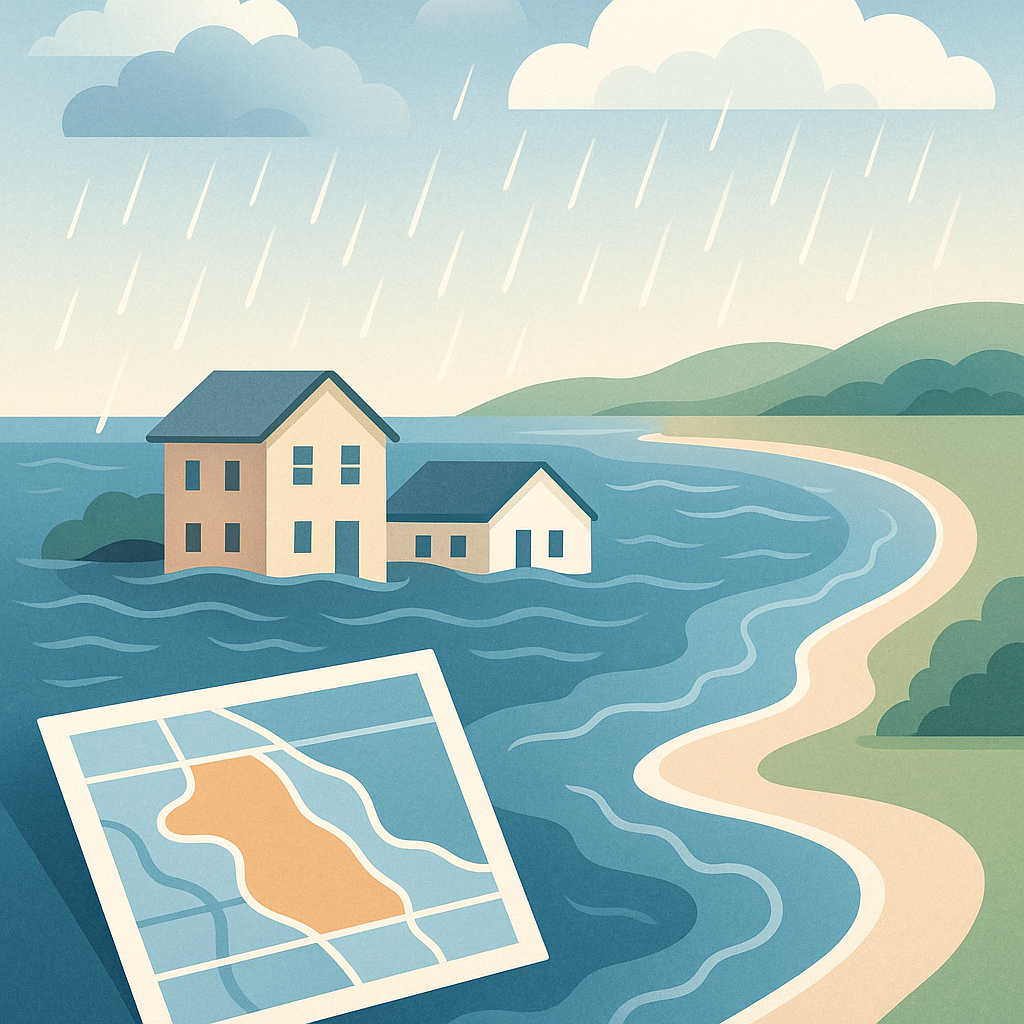
Both zones carry the same general risks and requirements. Zone VE simply has more precise elevation data because a detailed coastal engineering study has been completed.
The Unique Dangers of Coastal Flooding
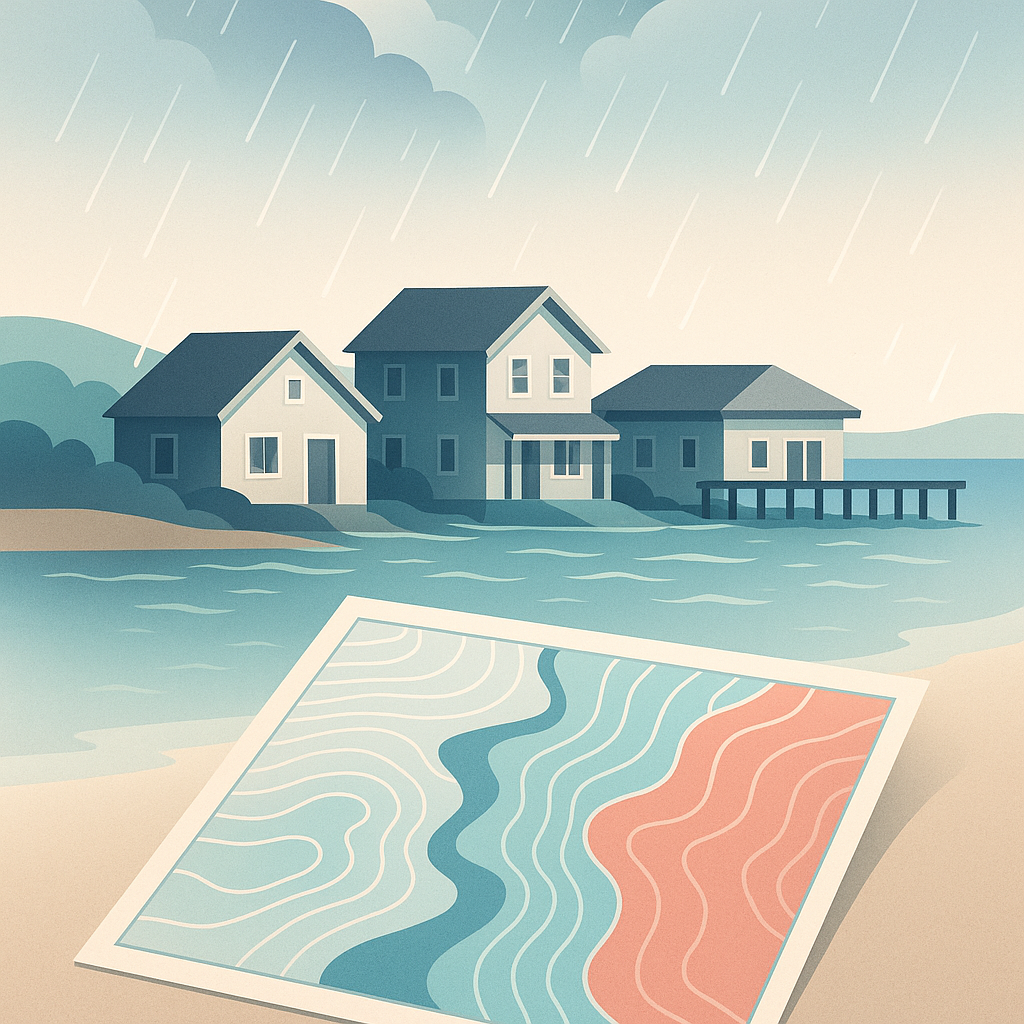
Coastal flooding in V zones is fundamentally different from — and typically more destructive than — inland riverine flooding:
Storm Surge
Storm surge is the abnormal rise in water level generated by a storm's winds and low atmospheric pressure. During a major hurricane, storm surge can reach 10-20+ feet above normal tide levels.
Wave Action
On top of storm surge, waves of 3 feet or more batter structures and terrain. The force of breaking waves can be enormous — wave pressures can exceed 1,000 pounds per square foot, enough to destroy most conventional construction.
Erosion and Scour
Coastal storms erode beaches, dunes, and bluffs. The ground that a building sits on can literally be washed away during a major storm. Scour — the removal of soil around foundations — can undermine structures even if they survive wave impact.
Debris Impact
Waves carry debris — broken structures, vehicles, docks, trees — that acts as battering rams against anything in their path.
Saltwater Damage
Saltwater is far more corrosive than freshwater. Buildings inundated by saltwater storm surge suffer accelerated deterioration of metals, electrical systems, and structural components.
Building Standards in Zone V
Zone V has the most restrictive construction requirements of any FEMA flood zone:
Mandatory Elevation on Open Foundations
All new construction must be elevated on pilings, piles, or columns that allow water and waves to pass beneath the structure. The lowest horizontal structural member of the lowest floor must be at or above BFE (or the community's regulatory standard if no BFE is established).
Critical: Solid foundation walls, slab-on-grade, and crawlspace foundations are prohibited in Zone V. Only open foundations (pilings, piles, posts, or columns) are permitted.
No Fill for Structural Support
Unlike inland flood zones, you cannot use fill to elevate structures in Zone V. The foundation must be open to allow wave action to pass through.
Enclosed Areas Below BFE
Any enclosed space below the lowest floor must:
- Be used only for parking, building access, or storage
- Have breakaway walls that collapse under wave forces without damaging the elevated structure
- Not be finished or used as living space
- Have flood openings for water equalization
Engineering Certification
A registered professional engineer or architect must certify that the design and construction methods are adequate to withstand the expected wave forces, including:
- Pile embedment depth (accounting for erosion and scour)
- Connection strength between piles and elevated structure
- Breakaway wall design
- Structural integrity under combined wind and wave loads
Setback and Erosion
Many coastal communities require structures to be set back from the shoreline to account for long-term erosion. Some require erosion setback studies that project shoreline retreat over 60 years.
Insurance in Zone V
Costs
Zone V properties typically face the highest flood insurance premiums of any designation:
- Properly elevated (above BFE): $2,000 – $5,000+/year
- At or near BFE: $3,000 – $8,000+/year
- Below BFE or non-compliant: $8,000 – $25,000+/year
These are generalizations — actual premiums depend on numerous factors under Risk Rating 2.0, including the property's specific characteristics and distance from the coast.
CBRS Restrictions
Many coastal areas fall within the Coastal Barrier Resources System (CBRS), where federal flood insurance is not available. Properties in both Zone V and a CBRS area must obtain private flood insurance, which can be extremely expensive or difficult to find.
Contents Coverage
NFIP contents coverage is limited to $100,000 for residential properties. Given the destructive nature of coastal flooding, many Zone V property owners carry excess coverage through private insurers.
Financial Reality of Zone V Properties
Owning property in Zone V comes with significant financial implications:
Insurance Costs
Annual flood insurance can easily exceed $5,000-10,000+, adding $400-800+/month to housing costs.
Construction Costs
Building to V zone standards adds 20-40% to construction costs compared to non-flood-zone construction. Elevated foundations, engineered pilings, breakaway walls, and specialized materials all increase expense.
Maintenance Costs
Saltwater exposure accelerates deterioration of all building systems. Expect higher maintenance costs for:
- Metal components (fasteners, connectors, utilities)
- Exterior finishes and coatings
- Mechanical systems (HVAC, plumbing)
- Decks, stairs, and exterior structures
Resale Considerations
Zone V designation can significantly impact resale value, especially as:
- Insurance costs continue to rise under Risk Rating 2.0
- Coastal erosion reduces setback distances
- Climate change increases storm intensity and sea-level rise
- Buyers become more risk-aware
For Coastal Property Professionals
Real Estate Agents
- Always disclose Zone V status and discuss insurance costs with potential buyers
- Help buyers understand the full cost of ownership including insurance and maintenance
- Be aware of CBRS boundaries — they add another layer of complexity
Lenders
- Zone V triggers the most stringent compliance requirements
- Verify that insurance policies specifically cover wave action and coastal flooding
- CBRS properties require special handling — federal flood insurance is not available
- Consider the property's long-term viability given erosion trends
Title Companies
- Flag Zone V properties immediately — insurance procurement takes longer for coastal properties
- Verify CBRS status as part of your flood determination workflow
- Coastal erosion can affect property boundaries — coordinate with surveyors when needed
Identify Coastal Flood Zones Instantly
Coastal flood zones carry unique risks and requirements. FloodCert.org identifies Zone V and VE designations instantly, so you can advise clients and meet compliance requirements without delay.