Flood Zone AE: The Most Common High-Risk Flood Designation Explained
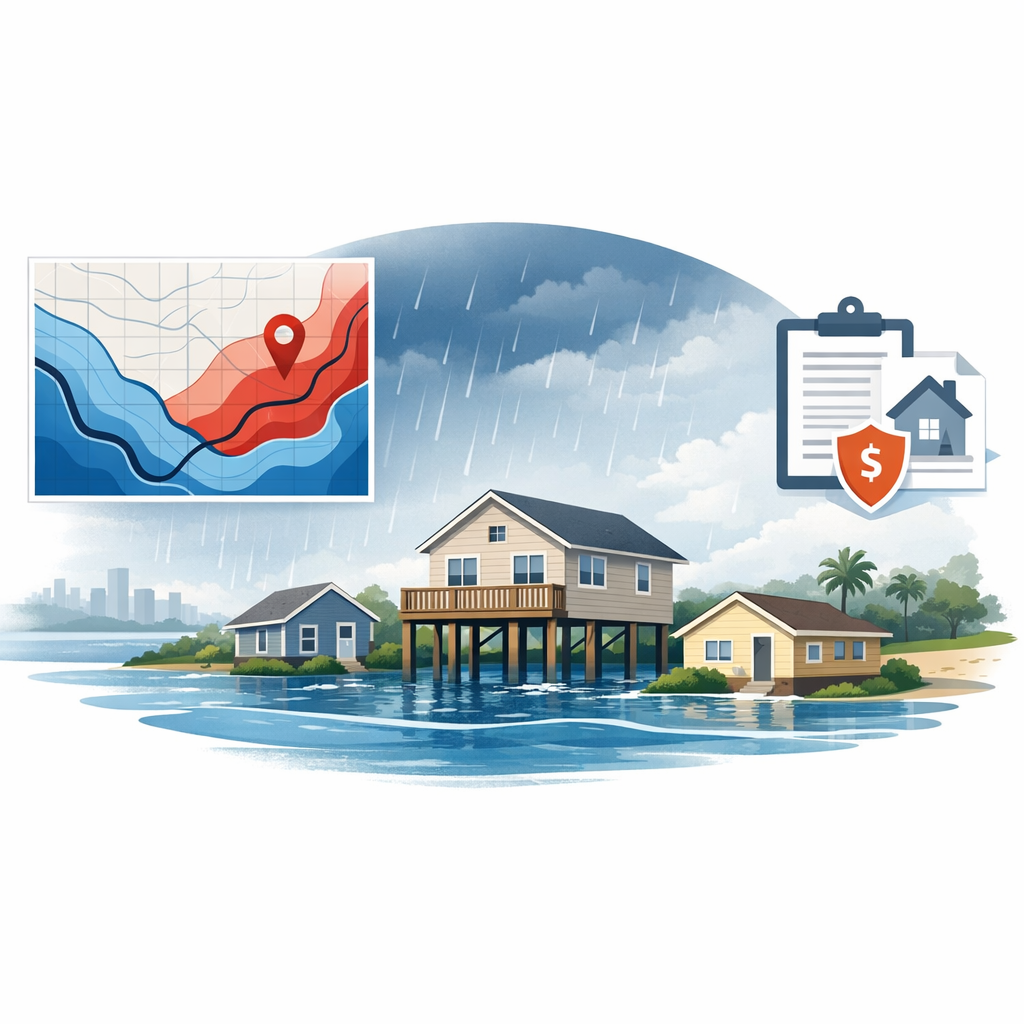
Flood Zone AE is the most frequently encountered Special Flood Hazard Area designation on FEMA's Flood Insurance Rate Maps. If you're dealing with a high-risk flood zone in a real estate transaction, chances are it's Zone AE.
What Is Flood Zone AE?

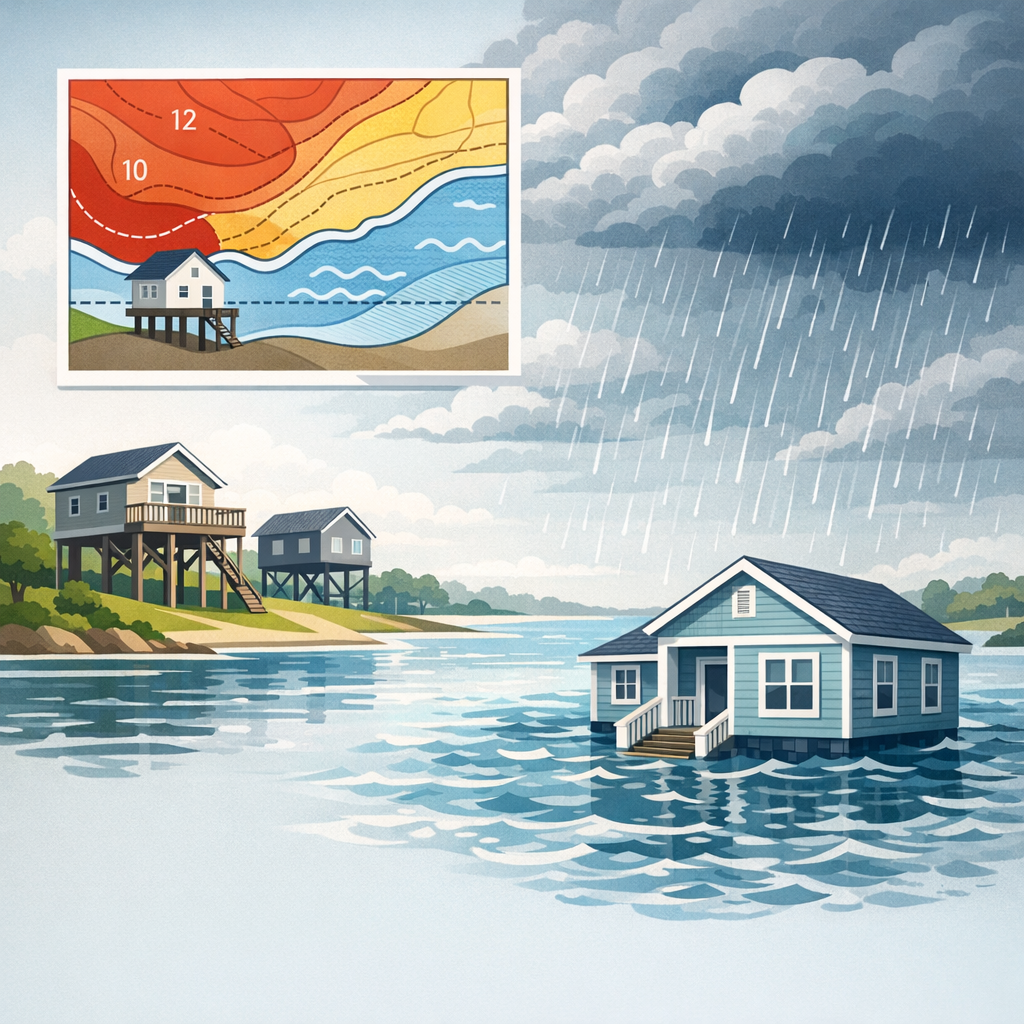
Zone AE designates areas with a 1% or greater annual chance of flooding where FEMA has completed detailed engineering studies and established Base Flood Elevations (BFEs). The "E" stands for "elevation" — the BFE is the defining feature that distinguishes Zone AE from the more general Zone A.
The BFE represents the water surface elevation expected during the 1% annual chance flood (the "100-year flood"). It's expressed in feet above a standard datum, usually the North American Vertical Datum of 1988 (NAVD 88).
Why Zone AE Is So Common
Zone AE is prevalent because:
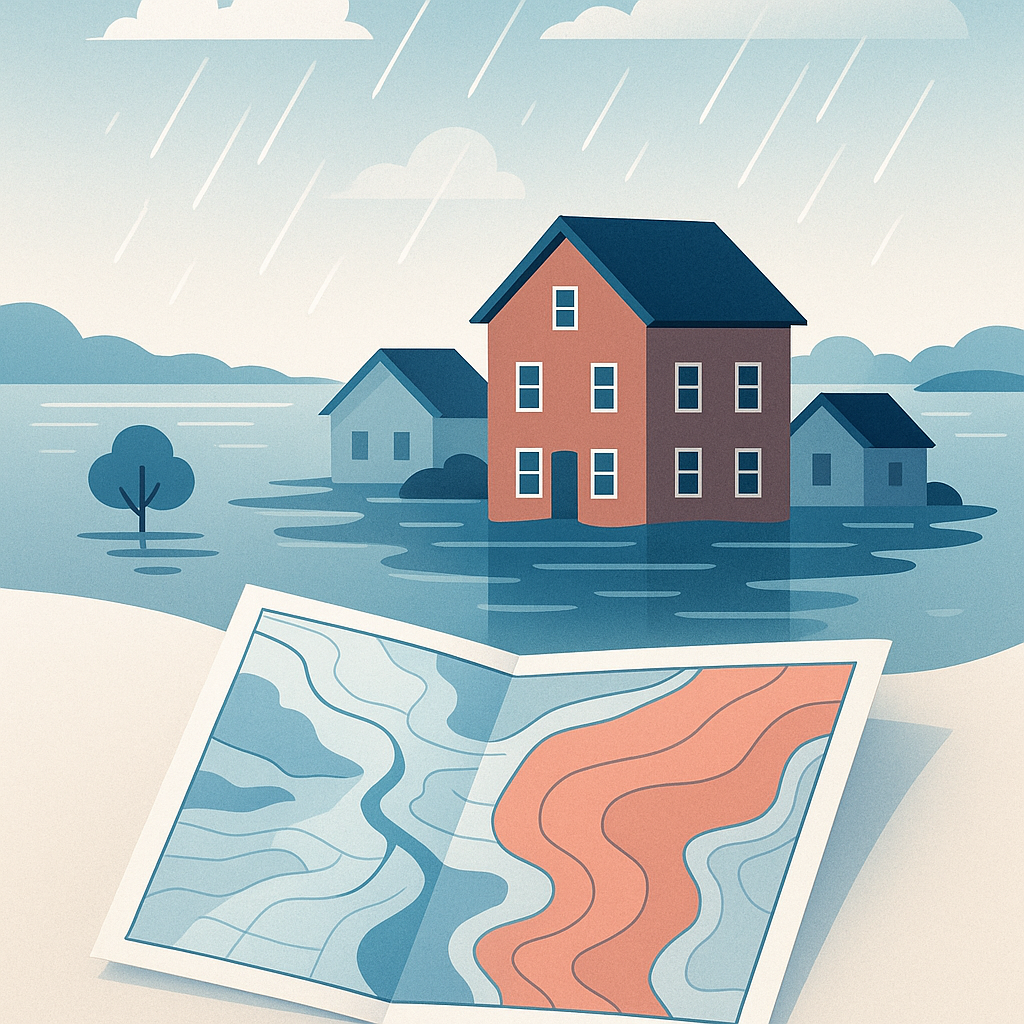
- It applies to areas along rivers, streams, lakes, and other inland water bodies where detailed studies have been conducted
- FEMA has been systematically upgrading older Zone A areas to Zone AE as new engineering studies are completed
- Most urban and suburban floodplains have been studied in detail, resulting in AE designations
- The older Zone A1-A30 designations have all been consolidated into Zone AE on updated maps
The Base Flood Elevation: The Key Number
The BFE is central to everything in Zone AE:

Construction
- New buildings must have the lowest floor at or above the BFE
- Many communities add freeboard (1-3 additional feet above BFE)
- Structures below BFE face strict requirements for flood-resistant materials and flood venting
Insurance
- The elevation of a building relative to BFE is the primary factor in flood insurance pricing
- Each foot above BFE significantly reduces premiums
- Each foot below BFE dramatically increases premiums
- The Elevation Certificate documents this relationship
Risk Assessment
- The BFE tells you how deep floodwaters could get during a major flood event
- It allows direct comparison: "My house is 3 feet above the expected flood level"
- It enables informed decision-making about flood-proofing investments
Flood Insurance in Zone AE
Requirements
Flood insurance is mandatory for any property in Zone AE with a federally backed mortgage. This includes conventional loans from federally regulated lenders, FHA, VA, and USDA loans.
Cost Factors Under Risk Rating 2.0
FEMA's current rating methodology considers:
- Elevation relative to BFE (still a primary factor)
- Distance to flood source (river, coast, etc.)
- Flood type (riverine, coastal, etc.)
- Historical claims on the property
- Building characteristics (construction type, foundation, number of floors)
- Replacement cost of the building
Typical Annual Premiums
| Building Elevation vs. BFE | Approximate Annual Premium |
|---|---|
| 3+ feet above BFE | $400 – $1,000 |
| 1-2 feet above BFE | $700 – $1,800 |
| At BFE | $1,200 – $3,000 |
| 1 foot below BFE | $2,000 – $5,000 |
| 2+ feet below BFE | $3,500 – $10,000+ |
Ranges are approximate and vary by property characteristics and location.
The Floodway vs. the Flood Fringe
Within Zone AE, FEMA often delineates a regulatory floodway — the channel plus the adjacent floodplain that must remain unobstructed to carry the 1% annual chance flood without increasing the water surface elevation by more than a designated height (usually 1 foot).
Floodway
- The most dangerous part of the flood zone
- Development is severely restricted — no new construction that would increase flood levels
- Existing structures face strict limitations on improvements
- Often shown with cross-hatching on FEMA maps
Flood Fringe
- The area within Zone AE but outside the floodway
- Development is permitted if it meets elevation and construction standards
- New buildings must be elevated to or above BFE
- Insurance is still required for federal mortgages
Building and Renovation in Zone AE
New Construction Requirements
| Requirement | Standard |
|---|---|
| Lowest floor elevation | At or above BFE (plus local freeboard) |
| Foundation type | Elevated on piles, piers, posts, columns, or walls with flood openings |
| Materials below BFE | Flood-resistant materials only |
| Utilities | Elevated above BFE or designed to resist flood damage |
| Anchoring | Must resist flotation, collapse, and lateral movement |
| Enclosed areas below BFE | Must have flood openings for water equalization |
The 50% Rule (Substantial Improvement)
If renovation costs exceed 50% of the building's pre-improvement market value, or if flood damage exceeds 50% of market value, the entire structure must be brought into full compliance with current standards. This effectively means elevating the building to or above BFE.
This rule has major implications for older buildings in Zone AE that were built before current standards (pre-FIRM buildings). A major renovation or significant flood damage can trigger a requirement to elevate the entire structure — a cost that can run $50,000 to $150,000+.
Options for Zone AE Property Owners
1. Elevation Certificate
Get an EC to document your building's exact elevation relative to BFE. This is the foundation for accurate insurance rating and any potential LOMA application. Cost: $300-600.
2. Letter of Map Amendment (LOMA)
If your property is naturally at or above BFE, you may qualify for a LOMA. This is free to apply for (single residential properties) and can remove the mandatory insurance requirement.
3. Flood Mitigation
For properties below BFE, consider:
- Elevation: Raising the structure above BFE (most effective but expensive)
- Dry floodproofing: Sealing the building to prevent water entry (primarily for non-residential)
- Wet floodproofing: Allowing water in but using resistant materials and relocating valuables
- Flood barriers: Temporary or permanent barriers to deflect floodwaters
4. FEMA Mitigation Grants
Several federal programs provide funding for flood mitigation:
- Hazard Mitigation Grant Program (HMGP): Available after a presidential disaster declaration
- Flood Mitigation Assistance (FMA): Specifically for NFIP-insured properties
- Building Resilient Infrastructure and Communities (BRIC): Annual competitive grant program
These programs can fund elevation projects, property acquisitions (buyouts), and other mitigation measures.
Zone AE and Property Values
Research consistently shows that Zone AE designation affects property values:
- Properties in Zone AE typically sell for 4-12% less than comparable properties outside the SFHA
- The impact varies by market — in flood-prone regions where flooding is expected, the discount may be smaller
- Properties with a LOMA or significant elevation above BFE experience less value impact
- Mandatory insurance costs effectively reduce a buyer's purchasing power, which puts downward pressure on prices
For Professionals
Lenders
- Zone AE is the most common SFHA you'll encounter — ensure your team handles it efficiently
- Automated flood determinations from FloodCert.org eliminate the wait time for Zone AE certifications
- Track map changes; FEMA revisions can move zone boundaries
Title Companies
- Flag Zone AE determinations early so buyers can begin the insurance shopping process
- Verify any LOMA claims through FEMA's online LOMC database
- Include flood zone disclosure in your workflow
Real Estate Agents
- Know the BFE for Zone AE properties you list or show
- Help buyers understand the full cost of ownership including flood insurance
- A pre-listing Elevation Certificate can help sellers demonstrate their property's actual risk level
Instant Zone AE Determinations from FloodCert.org
Zone AE is the most common flood zone in real estate — make sure you're identifying it quickly and accurately. FloodCert.org delivers certified flood determinations in seconds with full SFHA and BFE data.